Keep Your Cut Flowers Looking Breathtaking with These Tips
Posted on 21/08/2025
Keep Your Cut Flowers Looking Breathtaking with These Tips
Nothing quite matches the joy and beauty that fresh cut flowers bring to any space! Their vibrant colors and sweet scents have the power to lift spirits and brighten up any room instantly. However, keeping cut flowers looking their best and extending their life can be a tricky task. With the right care, though, you can prolong the beauty of your floral arrangements and enjoy their elegance for many days. If you're eager to keep your cut flowers looking fresh and breathtaking, you're in the right place! This comprehensive guide is packed with expert advice, unique tricks, and practical tips to help you get the most out of your lovely blooms.
Why Do Cut Flowers Wilt and Fade?
Before diving into our top strategies, it's important to understand why flowers wilt and lose their luster after being cut. Flowers rely on their roots to deliver water and nutrients. Once severed from their source, they're prone to dehydration, bacterial build-up, and nutrient deficiency. Addressing these issues is key to keeping your cut flowers looking beautiful for longer.
- Dehydration: Stems lose their ability to absorb water efficiently.
- Bacterial growth: Bacteria in the vase water can block stems and speed up wilting.
- Nutrient loss: Without the plant's root system, nutrients run low.
Top Tips to Keep Your Cut Flowers Looking Fresh
Let's explore simple yet powerful methods to maintain the magic of your bouquets. From prepping stems to crafting the perfect environment, these strategies will keep your cut flowers looking breathtaking.
1. Choose the Freshest Flowers
Begin with the best! The fresher your flowers, the longer they'll last once displayed. When selecting blooms at a florist or market, look for these signs:
- Firm, upright stems
- No brown or bruised petals
- Bright green, healthy leaves
- Mostly closed buds--these will continue to open and last longer at home
2. Prepare the Stems Properly
The manner in which you cut and prepare your flower stems makes a huge difference! Here's how to do it right for maximum vase life:
- Use sharp, clean scissors or a knife to avoid crushing the stems.
- Cut at a 45-degree angle to increase surface area for water absorption.
- Remove all leaves that would be below the water line; submerged leaves promote bacterial growth.
- Re-cut stems every few days to keep water uptake flowing.
3. Select the Right Vase and Clean It Well
An often-overlooked tip for keeping cut flowers vibrant is ensuring your vase is squeaky clean. Dirty vases harbor bacteria that shorten flower life dramatically. Here's the best practice:
- Wash your vase thoroughly with hot, soapy water and rinse well.
- Disinfect with a weak bleach solution (1 teaspoon bleach per quart of water), then rinse again.
Choose a vase that suits the arrangement--not too cramped, not too loose. Flowers should have space to breathe yet still feel supported.
4. Fill the Vase with Fresh, Lukewarm Water
Most flowers prefer water that's not too cold or hot. Lukewarm water promotes fast water uptake. Top up the water every day and completely replace it every 2-3 days for optimal freshness.
5. Feed Your Flowers a Homemade Flower Food
The next step to keep your cut flowers longer is providing them nourishment. Most store-bought bouquets come with a packet of flower food, but you can easily make your own for similar results! Flower food should provide:
- Sugar (food for the stems)
- Acid (to lower the water's pH and improve water flow)
- Bactericide (to eliminate harmful bacteria)
Try this simple recipe for homemade flower food:
- 1 quart (1 liter) of lukewarm water
- 2 tablespoons lemon juice
- 1 tablespoon sugar
- 1/2 teaspoon bleach
Mix well and add to your vase--you'll be amazed at the difference!
6. Keep Cut Flowers Out of Heat and Direct Sunlight
Bright, sunny windows may seem like the perfect spot for your flowers. However, direct sunlight and heat dehydrate blooms quickly and cause them to fade. Instead:
- Display arrangements in a cool, shaded part of the room
- Keep away from heating and cooling vents
- Don't place flowers near fruit bowls; ripening fruits emit ethylene gas that speeds up wilting
7. Remove Wilting or Damaged Blooms Promptly
As soon as you notice droopy, brown, or spent flowers, snip them off. Dying flowers release gases and bacteria that can speed up spoilage of the entire bouquet.
8. Mist Your Flowers for Extra Hydration
Lightly misting your flowers with water every day helps keep the petals hydrated and vibrant, especially in dry indoor environments. But avoid misting any foliage or petals prone to mold.
9. Change Water and Re-trim Stems Every Few Days
To prolong the breathtaking effect of your cut flowers, routinely change the vase water and re-cut stems every two to three days. This removes bacteria, refreshes nutrients, and clears any blockage from stem ends.
10. Try Unique Preservation Tricks
If you're seeking additional ways to keep your bouquet looking stunning, these lesser-known hacks might just do the trick:
- Drop a copper penny in the vase--the copper acts as a mild acid and has antifungal properties.
- Add a small splash of clear soda (like Sprite) for extra sugar and acid.
- Aspirin dissolved in the water can lower pH and fend off bacteria (best for roses).
Care Tips for Specific Types of Flowers
While the tips above suit most flowers, some blooms require specialized care to look sensational for longer. Let's look at customized advice for popular flower varieties:
Roses
- Remove guard petals (outermost petals that may look damaged or limp).
- Cut stems underwater to prevent air bubbles.
- Use warm water and special rose flower food for best results.
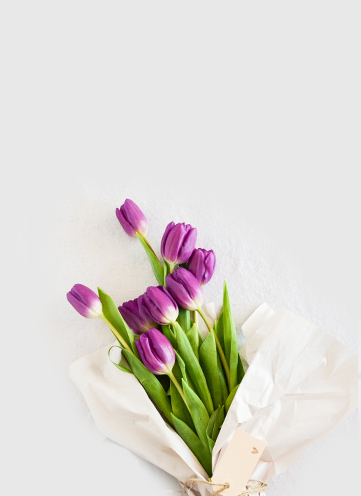
Tulips
- Wrap stems in newspaper and place in deep, cool water for the first few hours.
- Use a tall vase for support, as tulips continue to grow even after being cut.
Lilies
- Remove stamens to prevent staining and lengthen bloom life.
- Change water daily, as lilies are sensitive to bacteria.
Daffodils
- Allow daffodils to "slime" in water alone for several hours before adding to mixed bouquets--this sap can affect other flowers.
Hydrangeas
- If heads droop, submerge the entire bloom in cool water for half an hour for a quick revival.
Common Mistakes That Shorten Cut Flower Life
Even well-meaning flower lovers sometimes make mistakes that cause bouquets to fade before their time. Avoid these pitfalls:
- Using dirty vases or tools, which introduce bacteria.
- Allowing leaves to sit below the waterline.
- Neglecting to replace water regularly.
- Placing flowers in direct sunlight or near heat sources.
- Crowding stems so airflow is poor.
The Science Behind Flower Longevity
Why do these tips work? Cut flower care is based on simple plant biology. Here's what's happening:
- Stems draw water upwards by capillary action. Clean, angled cuts make this easier.
- Bacteria block the stems' vascular tissue, cutting off water to flowers. Regular cleaning and antibacterials (bleach, vinegar, copper) neutralize these threats.
- Sugars fuel the aging blooms.
- An acidic environment improves water movement and discourages bacteria.
Creative Display Ideas to Keep Flowers Looking Amazing
How you display your cut flowers can also contribute to their beauty and longevity. Consider these creative tips for a wow-worthy presentation:
- Group blooms by stem length, flower type, or color for a striking arrangement.
- Use floral foam for large displays that need support and prolonged hydration.
- Try floating bowls for chic single-bloom displays of gerbera daisies, gardenias, or camellias.
- Don't overcrowd your arrangements; give flowers space to "breathe."
How to Revive Wilted Cut Flowers
It's not uncommon for blooms to wilt in transit or after a few warm days. Don't give up! Many flowers can be revived with these techniques:
- Trim 1-2 inches off the stem at an angle and immediately immerse in warm water.
- For roses, wrap the entire bouquet in a newspaper cone, then place upright in lukewarm water for several hours.
- Submerge severly wilted flower heads (like hydrangeas) in cool water for 30 minutes.
Environmental Factors that Affect Flower Longevity
Several environmental conditions can drastically change how long your cut flowers last. Here's what to watch for:
- Room temperature: Cooler rooms slow the aging process.
- Humidity: Moderate humidity helps flowers stay perky; very dry air (from heaters or air conditioning) dries them out.
- Drafts: Avoid placing flowers where drafts can accelerate evaporation.
FAQ: Cut Flower Care
- How long do cut flowers typically last?
Most cut flowers last 5-10 days with proper care; some varieties can last up to 2 weeks. - What's the best way to make roses last longer?
Use a clean vase, re-cut the stems underwater every 2-3 days, and add flower food to the water. - Is it safe to use vinegar or bleach as a flower preservative?
Yes, in small quantities. Both kill bacteria and help flowers absorb water better; just don't overdo it. - Can I keep flowers in the fridge overnight?
Many florists store arrangements in a cool, not-too-cold fridge overnight to extend their life--just keep them away from fresh fruit.
Final Thoughts: Enjoying Cut Flowers at Their Best
With attention and a little know-how, you can keep your cut flowers looking breathtaking day after day. From choosing the freshest blooms to nurturing them with the perfect vase water, environment, and care, every step makes a difference in how vibrant and long-lasting your arrangements will be. Add these simple tips to your floral routine, and you'll enjoy stunning, vibrant bouquets that fill your home with color and joy--for longer than you ever thought possible.
Next time you bring home a bouquet or receive fresh flowers, use these flower care tips to keep your cut flowers looking as breathtaking as the day they were picked!
Latest Posts
The Best 12 Flowers for Lasting Beauty and Grace
Keep Your Cut Flowers Looking Breathtaking with These Tips
The Enchanting Symbolism of Peony Flowers and Their Colors