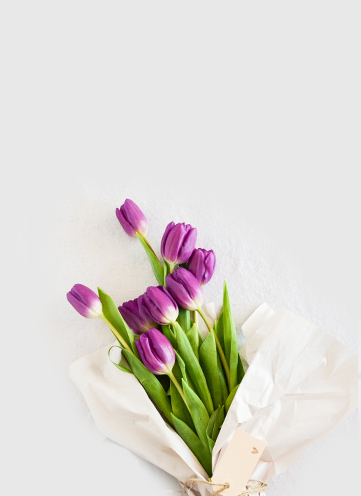
Bouquet Benefits: Flowers as Wellness Boosters
Posted on 21/05/2025
Bouquet Benefits: Flowers as Wellness Boosters
Bringing a fresh bouquet of flowers into your home is not just a way to brighten up your space--it's a time-honored practice that offers significant wellness benefits. From improving mental health to enhancing physical well-being, flowers have a profound effect on the human mind and body. Delve into the science, history, and modern applications of floral wellness and discover why adding blooms to your daily life could be a simple, beautiful way to boost your overall health.

The Science Behind Flowers and Wellness
Understanding the Emotional Impact
For centuries, flowers have played a crucial role in human emotional and social lives. Modern research supports the notion that having flowers for wellness is more than an aesthetic endeavor--it's a scientifically supported way to promote positive feelings. According to studies by Rutgers University and Harvard, participants who received flowers as gifts reported immediate mood uplift and lasting improvements in their general happiness and satisfaction.
- Instant mood enhancer: Simply seeing flowers can trigger dopamine, serotonin, and oxytocin release, known as the 'happy hormones.'
- Reduction of stress: Exposure to flowers lowers levels of anxiety and reduces physiological stress markers.
- Enhancement of connectedness: Flowers encourage communication and empathy, deepening bonds between people.
Aromatherapy and the Healing Power of Floral Scents
The aroma of fresh flowers does far more than merely please our senses--scents from flowers like lavender, rose, and jasmine contain potent benefits. Incorporating fragrant floral arrangements for well-being or simply placing a bouquet on your desk can help to:
- Promote relaxation: Many floral scents have been shown to lower the heart rate and induce relaxation.
- Improve sleep quality: Certain flowers, such as lavender, help enhance sleep by calming the nervous system.
- Alleviate headaches: The natural compounds emitted by some flowers can reduce headache frequency and intensity.
Historical and Cultural Uses of Flowers for Health
Across the globe, various cultures have integrated the wellness benefits of flowers into daily rituals, medicinal practices, and spiritual traditions.
Ancient Traditions
In Ancient Egypt, lotus flowers symbolized creation and rebirth and played a role in ceremonial healing. Traditional Chinese medicine utilized chrysanthemum tea for its anti-inflammatory and stress-reducing properties, while in Ayurveda, the rose has been used to soothe the mind and promote balance.
Victorian Language of Flowers
During the Victorian era, lovers and friends exchanged "floriography" bouquets to convey hidden messages and foster emotional wellness. Today, gifting and receiving flowers remains an important tradition for nurturing social and emotional health.
Physical Health Benefits of Flowers
Air Purification and Respiratory Wellness
Certain flower varieties are known for their unique ability to cleanse indoor air and support respiratory health. Popular choices include:
- Peace lilies: Absorb toxins like benzene and formaldehyde, improving air quality.
- Gerbera daisies: Effective at removing trichloroethylene and boosting oxygen in the room, assisting in breathing comfort.
- Chrysanthemums: These flowers filter ammonia and other volatile organic compounds.
By adding these to your home or office, you can enjoy a flower-powered wellness upgrade for your personal space.
Enhanced Healing and Recovery
Studies have shown that hospital patients with fresh flower arrangements in their rooms tend to recover faster, require less pain medication, and demonstrate generally higher positivity levels.
- Improved surgical outcomes: Exposure to flowers helped post-operative patients report lower levels of anxiety and fatigue.
- Encouragement of movement and activity: The presence of flowers can entice patients to move around their rooms, further aiding recovery.
Flowers as Mental Wellness Boosters
Combating Depression and Anxiety
The therapeutic effect of flowers for wellness reaches beyond aesthetics. Their presence can be a supportive therapy for depression and chronic anxiety.
- Visually soothing colors: Soft, cool toned flowers may help quiet the mind, while bright blooms stimulate joy.
- Sense of hope and optimism: Regular interaction with plants encourages positive thinking patterns.
Mindfulness Inspiration
Caring for a bouquet or arranging flowers fosters mindfulness. The careful attention paid to trimming stems, arranging colors, and changing water helps ground you in the present moment, mitigating stress and anxieties of daily life.
How to Use Flowers to Boost Your Wellness
Home Decor That Heals
Integrate floral wellness boosters into your daily environment with these simple strategies:
- Create a kitchen counter bouquet: Use invigorating colors and scents to inspire healthy meal preparation and sociability.
- Place soothing bouquets in bedrooms: Choose relaxing flowers like lavender or white lilies to encourage restful sleep.
- Brighten workspaces: A small arrangement on your desk can improve productivity, reduce stress, and spark creativity.
Gifting for Health
Give the gift of wellness by presenting friends or colleagues with a thoughtful bouquet. This simple gesture can have long-lasting psychological benefits for the recipient.
- Boost morale: Flowers are proven to enhance workplace satisfaction and camaraderie.
- Encourage healing: A hospital, recovery, or sympathy bouquet shows support and fosters hope.
Floral Activities for Mindful Living
- Flower arranging workshops: Cultivate mindfulness and dexterity through creative arranging.
- Pressed flower art: Preserving their unique shapes and colors can extend the life and enjoyment of your blooms.
- Gardening: Growing and tending to flowers encourages time outdoors, benefiting both physical and mental health.
Popular Wellness-Boosting Flowers and Their Unique Benefits
| Flower | Wellness Benefits |
|---|---|
| Lavender | Calms the nervous system, promotes restful sleep, reduces stress |
| Roses | Encourages self-love, lifts spirits, soothes anxiety |
| Sunflowers | Symbolizes optimism, enhances mood, increases feelings of hope |
| Lilies | Encourages tranquility, supports grief recovery, purifies air |
| Gerbera Daisy | Increases perceived happiness, helps relieve stress-related symptoms |
| Chrysanthemums | Reduces air toxins, supports immune health, alleviates irritation |
| Jasmine | Promotes emotional balance, improves sleep, and reduces anxiety |
Tips for Maximizing Your Floral Wellness Experience
- Choose seasonal and local flowers: They tend to be fresher, more sustainable, and often offer stronger scents.
- Rotate arrangements: Change your bouquets regularly to enjoy a wider variety of benefits.
- Mix colors and scents: Take advantage of the unique properties different flowers provide.
- Keep flowers fresh: Trim stems and change water every two days, remove wilted parts to prevent bacteria growth.
The Role of Flower Therapy in Modern Wellness Practices
As holistic approaches to health gain popularity, flower therapy is gaining recognition among wellness professionals. This practice involves using flowers for emotional, physical, and mental healing--incorporating them into therapy sessions, yoga studios, and spa environments. Wellness coaches and therapists may use edible flowers in teas or baths, arrange bouquets for meditation spaces, or even prescribe walks in botanical gardens.
Floristry in Self-Care Routines
Today's wellness enthusiasts embrace the ritual of visiting farmer's markets or florists to select weekly bouquets. This acts as a form of self-care--a moment to slow down, engage the senses, and consciously curate a positive environment.

Conclusion: Harnessing Flower Power for Holistic Wellness
The potential of bouquet benefits to improve mood, reduce stress, purify air, and boost mental clarity positions flowers as indispensable wellness boosters. Whether placed on a bedside table, given as a thoughtful gift, or enjoyed in a peaceful garden, flowers have a unique ability to enhance daily life.
Start small: Try adding a single vase of blooms to your most-used room. Observe how it transforms your space and well-being. The results may surprise you, proving that sometimes, the simplest acts--like giving or receiving flowers--are the most profound ways to foster health and happiness.
Experiment with different floral arrangements, colors, and fragrances to discover what resonates best. Ultimately, integrating more flowers into your life can create a ripple effect, supporting not only your well-being but also that of those around you. Let flowers be your daily source of wellness, inspiration, and joy.
Frequently Asked Questions (FAQs) About Flowers and Wellness
- Which flowers are best for stress relief?
- Lavender, chamomile, and jasmine are highly effective for calming nerves and promoting relaxation.
- How long do fresh flowers provide wellness benefits?
- Most benefits last as long as the flowers remain fresh--typically 7-10 days. Replace as needed for continuous impact.
- Can flowers help children and the elderly?
- Absolutely! Interaction with flowers is shown to improve mood in people of all ages, fosters engagement, and reduces feelings of loneliness or isolation.
Explore more ways to incorporate flowers as wellness boosters in your life and experience the wellness magic only nature can provide!
Latest Posts
The Best 12 Flowers for Lasting Beauty and Grace
Keep Your Cut Flowers Looking Breathtaking with These Tips
The Enchanting Symbolism of Peony Flowers and Their Colors