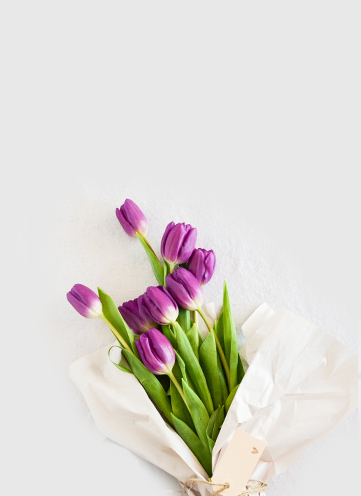
Celebrate the Timeless Tradition of Birth Flowers
Posted on 29/05/2025
Celebrate the Timeless Tradition of Birth Flowers
The world of flowers is rich with symbolism, stories, and meaningful traditions. One such cherished tradition is the use of birth flowers to celebrate life's milestones and honor personal connections. These symbolic blooms, much like birthstones, offer a unique way to mark each month of the year, expressing personality traits, wishes, and histories through petals and colors. Join us on a journey to explore how you can infuse more meaning into life's special moments by embracing the timeless beauty of birth month flowers.
Why Choose Birth Flowers?
Birth flowers are more than just a pretty bouquet--they represent a personal connection to history, culture, and individual identity. Gifting these symbolic flowers is a way to say "I see you" and to offer a flower that aligns with someone's unique story.
- Personalized Gifts: Birth flowers make thoughtful, customized presents for birthdays, new arrivals, or special anniversaries.
- Deeper Meaning: Every flower represents different virtues and emotions, helping you convey a heartfelt sentiment.
- Historical Significance: The tradition of birth month flowers dates back centuries, offering a sense of connectedness with the past.
- Cultural Connection: Many cultures honor different flowers in their myths, folklore, and traditions.
- Timeless Decor: Decorating with birth flowers brings an elegant and personalized touch to your home or garden.
For centuries, different civilizations attributed symbolic meanings to flowers. Victorians even developed a secret language of flowers, also known as floriography, to communicate complex emotions. Celebrate the tradition of birth month flowers and add depth to your celebrations and expressions.
The Complete Guide to Each Month's Birth Flowers
To truly appreciate the beauty of this ancient practice, let's delve into the meaning, symbolism, and historical roots of each birth flower by month. Whether you're looking for the perfect gift, an inspiring tattoo, or simply curious about your own birth blooms, uncovering these monthly floral emblems is a delightful journey.
January: Carnation & Snowdrop
Carnation: Known for their ruffled petals and long-lasting blooms, carnations symbolize love, fascination, and distinction. In many cultures, they represent the embrace of a new beginning--a fitting tribute for the year's first month.
Snowdrop: These delicate white flowers bloom despite the cold, representing hope, purity, and renewal. Snowdrops encourage us to look forward to brighter days ahead.
February: Violet & Primrose
Violet: Radiating beauty in shades of purple and blue, violets have long been associated with modesty, humility, and faithfulness. Perfect for those with quiet strengths.
Primrose: These vibrant early bloomers symbolize young love and new beginnings, making them the ideal birth month flower for the season of love--February.
March: Daffodil
The cheerful yellow daffodil signifies rebirth, new beginnings, and the arrival of spring. Gifting daffodils is believed to bring happiness and good fortune, making them the ultimate birth flower for March.
April: Daisy & Sweet Pea
Daisy: Charming and youthful, daisies symbolize innocence, purity, and loyal love. Their bright appearance reminds us of the rejuvenation that spring brings.
Sweet Pea: Sweet peas offer a gentle fragrance and connote blissful pleasure and gratitude--ideal for expressing heartfelt thanks or bidding someone a fond farewell.
May: Lily of the Valley & Hawthorn
Lily of the Valley: These delicate, bell-shaped blooms represent humility, happiness, and sweetness. In many cultures, they're considered a symbol of luck and prosperity.
Hawthorn: Often overlooked, the pretty blossoms of the hawthorn stand for hope and supreme happiness, enhancing the joyous spirit of May.
June: Rose & Honeysuckle
Rose: Universally recognized, the rose is the ultimate symbol of love and passion. Each color tells a different story, from friendship (yellow) to admiration (pink) to devotion (red).
Honeysuckle: With its sweet scent and climbing vines, honeysuckle represents bonds of love and the joys of summer.
July: Larkspur & Water Lily
Larkspur: These elegant, spurred flowers symbolize lightness, open-heartedness, and positivity. The spectrum of colors in larkspur each holds unique meanings for July-borns.
Water Lily: Floating serenely, water lilies stand for purity, enlightenment, and rebirth, echoing mid-summer's tranquil spirit.
August: Gladiolus & Poppy
Gladiolus: With bold spikes of blossoms, gladiolus represents strength, integrity, and moral character--perfect for honoring August's vibrant personalities.
Poppy: While red poppies commemorate remembrance, other colors stand for imagination and success. Their varied symbolism makes poppies ideal for celebrating August birthdays.
September: Aster & Morning Glory
Aster: Named after the Greek word for "star," asters symbolize wisdom, valor, and faith. Their daisy-like shapes adorn the gardens as summer closes.
Morning Glory: Enthralling and mysterious, morning glories open with the dawn, embodying affection and the fleeting beauty of each day.
October: Marigold & Cosmos
Marigold: Glowing in gold and orange hues, marigolds are emblems of passion, creativity, and warmth, making them a vibrant autumnal birth month flower.
Cosmos: Symbolizing peace and order, cosmos flowers reflect a harmonious, balanced spirit.
November: Chrysanthemum
The lush, ornate chrysanthemum is a symbol of loyalty, joy, longevity, and friendship. In Asian cultures, it represents life and rebirth. Its vibrant colors brighten November birthdays.
December: Narcissus & Holly
Narcissus: Most commonly the paperwhite, narcissus blooms in winter and signifies hope, good wishes, and the promise of new beginnings.
Holly: With its festive red berries and dark green leaves, holly stands for protection and happiness, adding cheer to December celebrations.
How to Celebrate with Birth Flowers
Incorporating birth flowers into your celebrations weaves extra significance into the occasion. Here are some creative, meaningful ways to honor the birth flower tradition:
- Bouquet Gifting: Surprise loved ones with a fresh bouquet featuring their birth flower on their birthday or special milestones.
- Home Decor: Display seasonal birth month flowers at home for an ever-changing decorative touch.
- Jewelry: Wear or gift birth flower necklaces, rings, or bracelets as unique, lasting symbols of personal identity.
- Art & Craft: Incorporate birth flowers into artwork, embroidery, or scrapbooks as enduring family keepsakes.
- Gardening: Plant your family's birth flowers in your garden for a blooming calendar of celebration all year round.
- Cakes & Edibles: Adorn birthday cakes or drinks with edible blooms for a beautiful, botanical surprise (ensure they're food-safe!).
Make Birth Flowers Part of Your Traditions
Why not start your own family tradition by celebrating each birthday with a flower unique to the month? Or, for anniversaries or new beginnings, incorporate the birth flower for a creative twist.
The Fascinating History of Birth Flowers
The tradition of assigning specific flowers to each month likely has roots in ancient Roman, Greek, and Egyptian customs. Over time, these traditions blended with the symbolism of floriography in the Victorian era.
- Ancient Rome: Romans used flowers in ceremonies and festivals, each bloom carrying a message.
- Victorian England: Floriography became a way to send secret messages, with birth flowers often denoting personal traits.
- Modern Day: The concept of birth month flowers is now embraced globally, in jewelry, decor, and personal rituals.
The enduring power of birth flowers lies in their ability to bridge the past and present, transforming simple gestures into lasting memories.
Birth Flowers vs. Birthstones
Both birth flowers and birthstones offer unique, personalized gifts, but they resonate in different ways. Birth flowers connect to the natural world and its cycles, while birthstones are cherished for their rarity and longevity. Combining both in gifts and traditions adds layers of significance and beauty to every special moment.
Unique Ways to Use Birth Month Flowers Today
- Wedding Themes: Feature the couple's birth flowers in bouquets, boutonnieres, and centerpieces for a personal touch.
- Commemorative Tattoos: Design meaningful tattoos with your birth month's flower, blending art and symbolism.
- Healing Rituals: Use birth flowers in aromatherapy, teas, or meditations to connect with personal strengths.
- Children's Keepsakes: Create growth charts adorned with each child's birth flower as a record of family history.
- Digital Art & Greeting Cards: Download or design printable birth flower artworks for birthdays and holidays.
Finding Your Birth Flower Around the World
It's worth noting that birth flower traditions differ between cultures. In Japan, for example, hanakotoba (the language of flowers) attributes unique meanings, while in some European countries, local wildflowers are honored. Research your family's heritage to discover even more personalized birth flower traditions!
Conclusion: Celebrate Every Moment with Birth Flowers
Embracing the tradition of birth flowers allows you to add meaningful symbolism, beauty, and creativity to life's many milestones. Whether you're looking for a personalized gift, a way to deepen your connection to nature, or simply to start a new family tradition, birth month flowers are a timeless, elegant choice.
So, next time you celebrate a birthday, anniversary, or meaningful event, consider reaching for the timeless tradition of birth flowers. Let the petals tell your story, express your wishes, and bridge the gap between history and today's heartfelt celebrations.
- Personalize your gifts--floral symbolism is a language understood across cultures and generations.
- Connect with your roots--each flower ties you to a rich tapestry of history and meaning.
- Cherish every season--let each month's birth flower inspire your decor, memories, and traditions.
Celebrate with birth flowers--make every occasion truly special!
```